Paver Sanding & Re-Sanding in Ocala, FL | S&S Paver Sanding Sealing
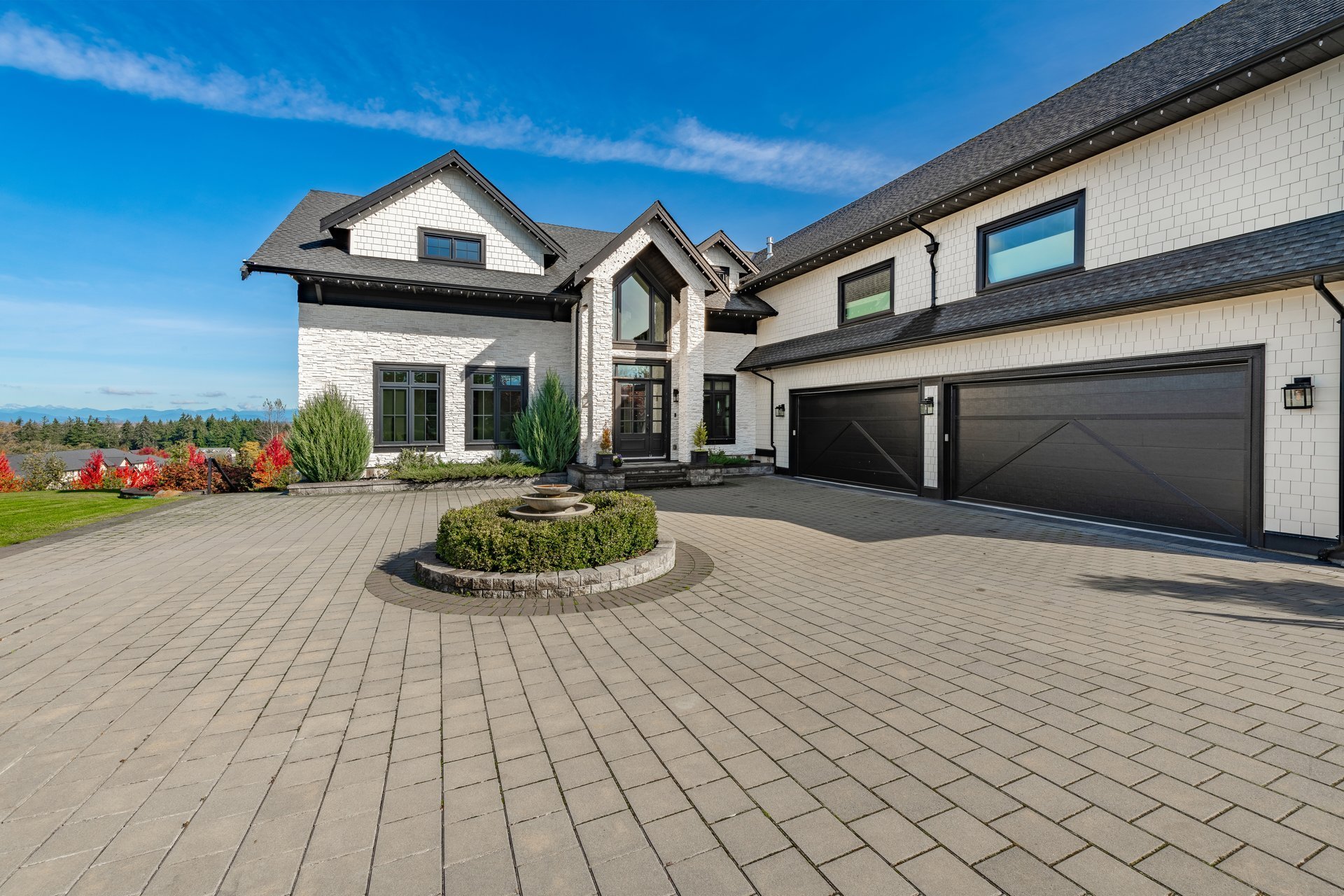
Elegant Florida home with pristine sealed paver driveway on a sunny day with lush landscaping
Paver Sanding & Joint Re-Sanding

Paver Sanding and Joint Re-Sanding
​in Ocala and Marion County

Paver sanding is the process of removing failed joint sand from between your pavers and replacing it with fresh stabilising sand. It is what stops weeds, keeps ants out, locks the pavers against shifting, and it must be done properly before any sealer goes down. S&S has completed over 500 paver projects across Marion County.
500+ Projects
24hr Quote Response
Fully Insured
Marion County Local
Get Started Today

Request Your Free Paver Sanding Quote

Fill out the form and we'll get back to you within 24 hours with a personalized quote for your paver sanding project.

Free, no-obligation quote within 24 hours
Detailed assessment of your paver joints
Competitive, transparent pricing
No pressure, no sales tactics

Prefer to call us directly?

352-789-0363

We'll respond within 24 hours with your personalized quote — no obligation!

Warning Signs

How do I know my paver joints need re-sanding?

Joint sand doesn't fail overnight. It gives you warnings. If you're seeing any of these signs, your joints have already started to go and the problem will only get worse.

Weeds pushing through the joints

This is the clearest sign. When joint sand erodes, open gaps form. Wind-blown seeds find those gaps and take root. If you're pulling the same weeds every few weeks, the sand is gone.

Sand visibly low or washed out after rain

Walk your pavers after a heavy afternoon storm. If you see channels where water has carved through the joints, or sand collecting at the low end of the surface, the joints are emptying out.

Ant hills forming between pavers

Fire ants love empty paver joints. They excavate the remaining sand and build colonies in the void underneath. If you see fresh ant mounds, the joints have been open long enough for a colony to move in.

Pavers rocking or moving underfoot

A paver should sit firm. If you feel movement when you step, the joint sand is no longer locking the pavers together. Left alone, this leads to cracking and uneven settlement.

Joints looking dark and hollow

From a distance, joints should match the pavers. If they look like dark trenches, the sand level has dropped well below the paver surface. That void traps moisture and accelerates the damage.

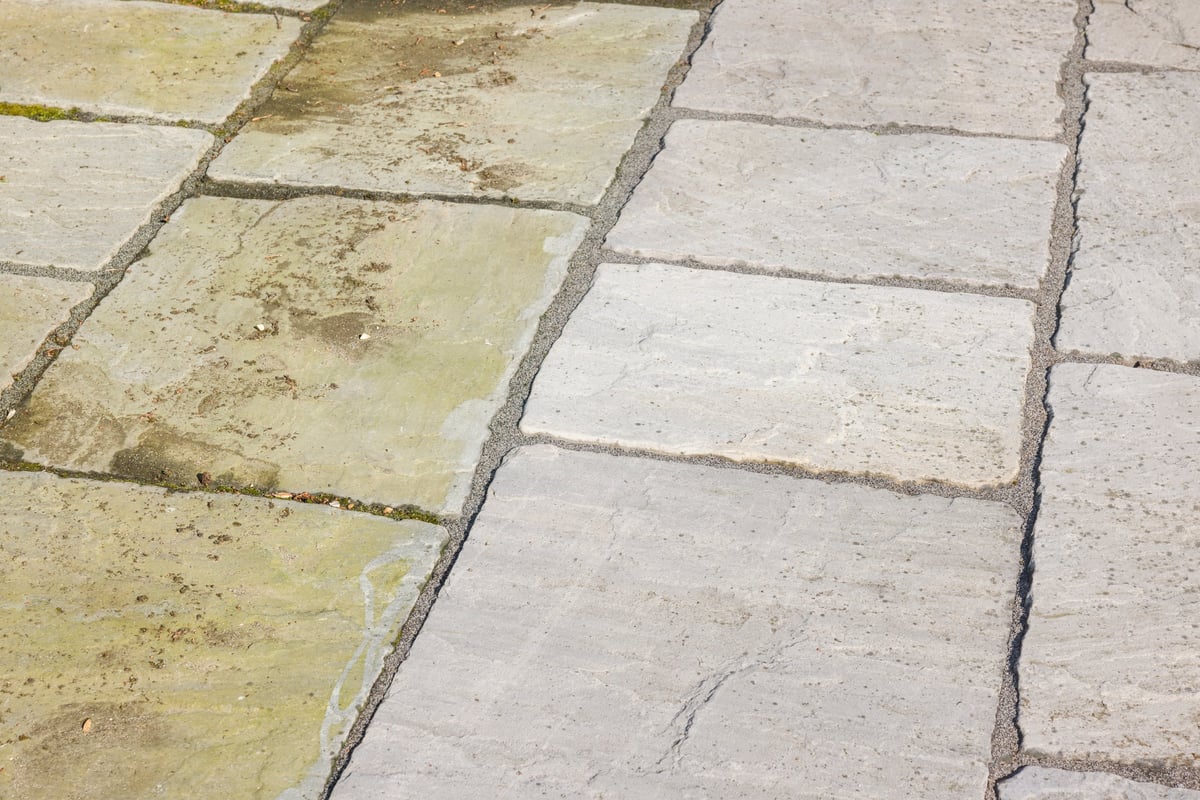
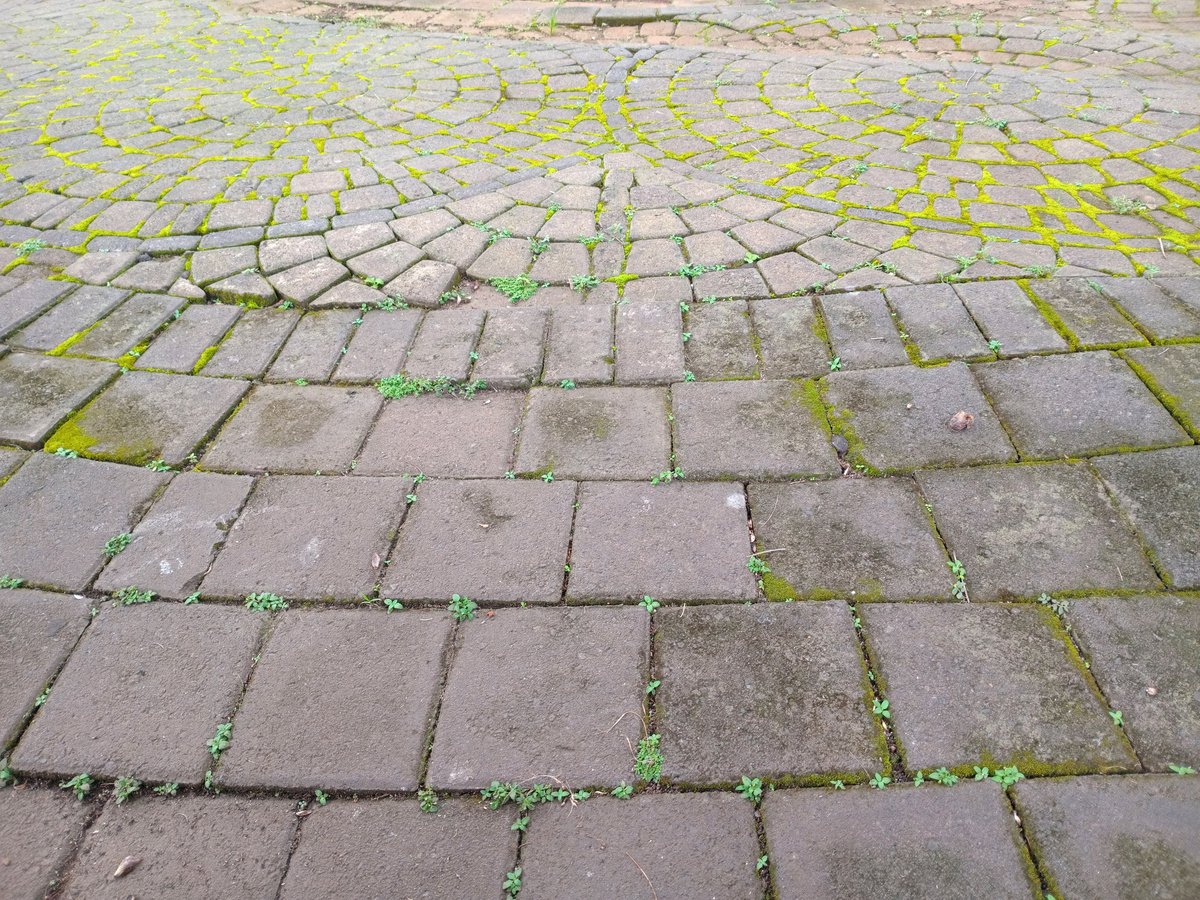
Paver joints with failed sand showing weeds and dark hollow gaps in Marion County driveway

"If you can see gaps and shadows between your pavers instead of clean, level joints, the sand is gone and the damage has already started."

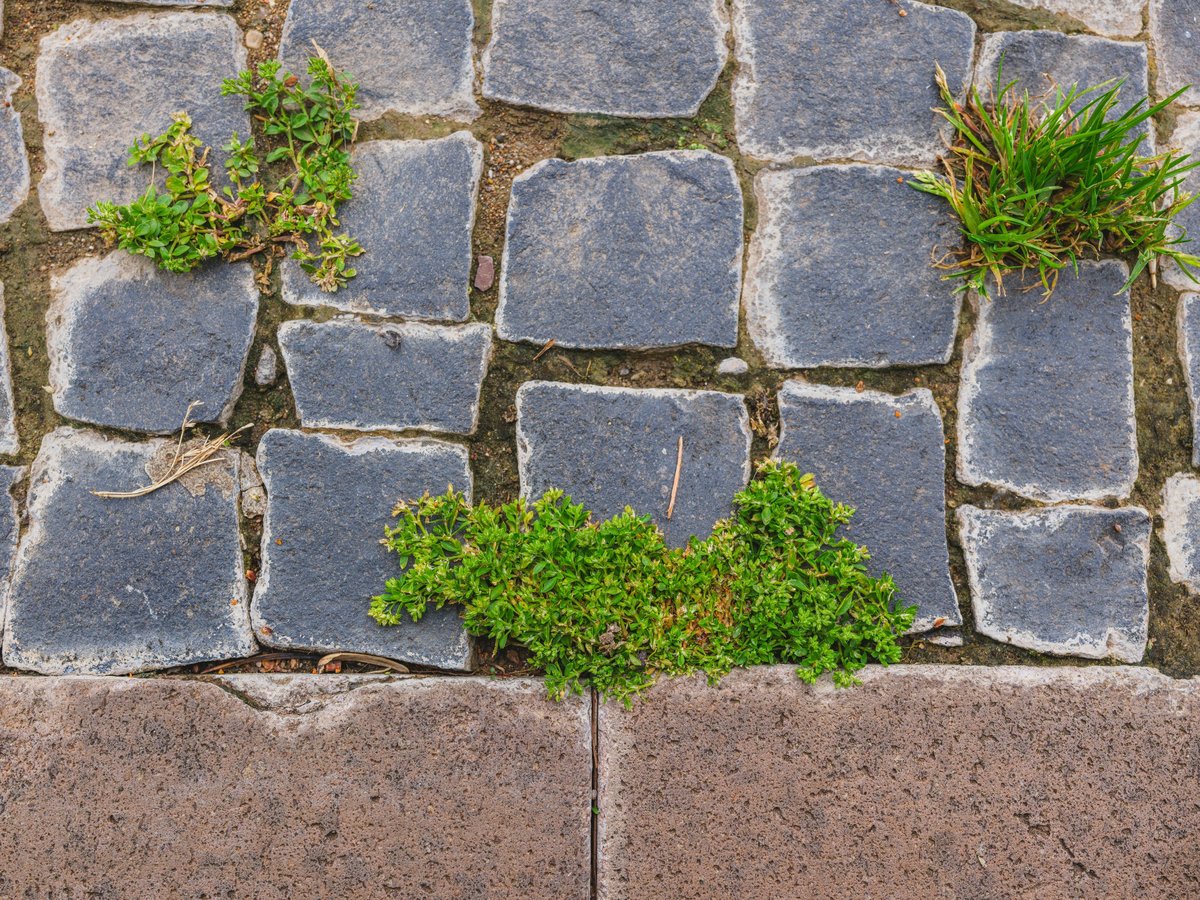
Wild grass sprouting through stone pavers showing what happens when joint sand fails in Central Florida
Local Conditions

Why does joint sand fail so fast in Marion County?

Joint sand doesn't fail at the same rate everywhere. Marion County has a specific set of conditions that accelerate the process, and understanding them is the first step to fixing the problem the right way.

Heavy summer afternoon downpours.

From June through September, Central Florida gets daily thunderstorms that dump an inch of rain in under an hour. That water rushes across the paver surface and straight through the joints, flushing sand out with it. Over one summer, a driveway with unsealed joints can lose half its joint sand.

Sandy native soil.

Marion County sits on sand. The base underneath your pavers is porous, which means water drains vertically and takes joint sand with it. There's no natural clay layer to slow the erosion.

Daily irrigation.

Most Marion County homes run sprinklers every day during the dry season. When a sprinkler head hits the paver edge at the same spot every morning, it cuts a channel through the joint sand over time. We see it most often along driveway edges and pool decks.

Fire ants and ground-nesting bees.

These insects don't just live near your pavers — they excavate the joints. A single fire ant colony can remove pounds of sand from under a patio in a season. The result is a hollow cavity under the pavers that causes them to shift and crack.

Pressure washing at the wrong pressure.

Many pressure washing companies run their equipment too high because it's faster. The jet that cleans the paver surface also blasts the joint sand straight out. If you had your pavers pressure washed and weeds appeared a month later, this is why.

Material Selection

How do you decide what goes in the joints?

Not every job gets the same sand. We match the material to the surface, the slope, the drainage and the time of year. Here's how we think about it.

Polymeric Sand

Activated with water, it hardens into a firm but flexible joint. Best for broader joints and sloped surfaces where washout is a problem.

Watch point: Needs a strict dry install window. If rain hits before it cures, the job fails. Through a Marion County summer afternoon, that window matters.

Silica Sand

A traditional kiln-dried sand that settles and compacts naturally. Best for tight joints on flat surfaces where drainage is good.

Watch point: Won't stop ants or resist heavy washout on its own. Works well under a sealer that locks everything down.

Sand With Joint Stabiliser

A hybrid approach that combines silica sand with a liquid stabiliser applied after sweeping. Bridges the gap between basic sand and full polymeric.

Watch point: Good for mid-range budgets and surfaces that don't get standing water, but not the right call for pool decks or steep slopes.

How we make the call on your property

When we walk your pavers, we check four things before we recommend a material: the slope and how water runs across the surface, the width and depth of your joints, how much shade the area gets through the day, and the time of year we're installing. A patio in full sun in July needs a different approach than a shaded pool deck in November.

The short version: we don't guess. We look at your surface, your drainage, and the weather ahead, then pick the sand that will hold up. That's the difference between a job that lasts three years and one that lasts seven.

The Right Order

Why sanding has to come before sealing

This is where a lot of paver work in Marion County goes wrong. Some companies skip straight to sealing because it's faster and looks good on day one. But sealing over failed joints locks the problem in, and the failure comes fast.

Sealing without sanding: what happens

The sealer sits on the paver surface but can't bridge an empty joint. The gaps stay open underneath. Water gets in, weeds find the void, ants move in through the exposed edges. Within months the seal looks patchy, and within a year it starts peeling back because there's nothing solid underneath to anchor it.

Sanding then sealing: why it lasts

When the joints are filled with fresh sand first, the surface becomes one continuous layer. The sealer bonds across the pavers and the sand together. Water sheets off instead of sinking through. Weeds can't penetrate. Ants can't excavate. The seal lasts years longer because it's protecting a solid, complete surface — not one full of holes.

The bottom line: sanding isn't an optional add-on. It's the foundation. Without it, sealing is a temporary finish on a failing surface.

Before and after of paver joint restoration showing the importance of sanding before sealing in Ocala FL

500+ Projects

Every one of them: sand first, seal second. No exceptions.

How It Works

Simple 3-Step Process

Getting your paver joints re-sanded is straightforward. We handle everything from start to finish.

1

Clean & Prepare

We thoroughly clean your pavers to remove dirt, algae, old failed sand and debris from every joint. A clean joint is essential for the new sand to bond properly.

2

Sand Joints

We fill every joint with the right sand for your surface. Swept, compacted and levelled to lock every paver in place.

3

Seal & Protect

Once the sand is set, we apply a protective seal over the entire surface. This locks the sand in, enhances color and guards against Florida's weather.

500+
Projects Completed
1 Day
For Most Jobs
5-7
Year Protection
24hr
Quote Response
Service Area

Paver Sanding Across Marion County & Beyond

Also serving Lake County, Sumter County and Alachua County.

Real Results

Before & After: Joint Sand That Lasts

500+ projects completed across Marion County. Every one of them: sand first, seal second.

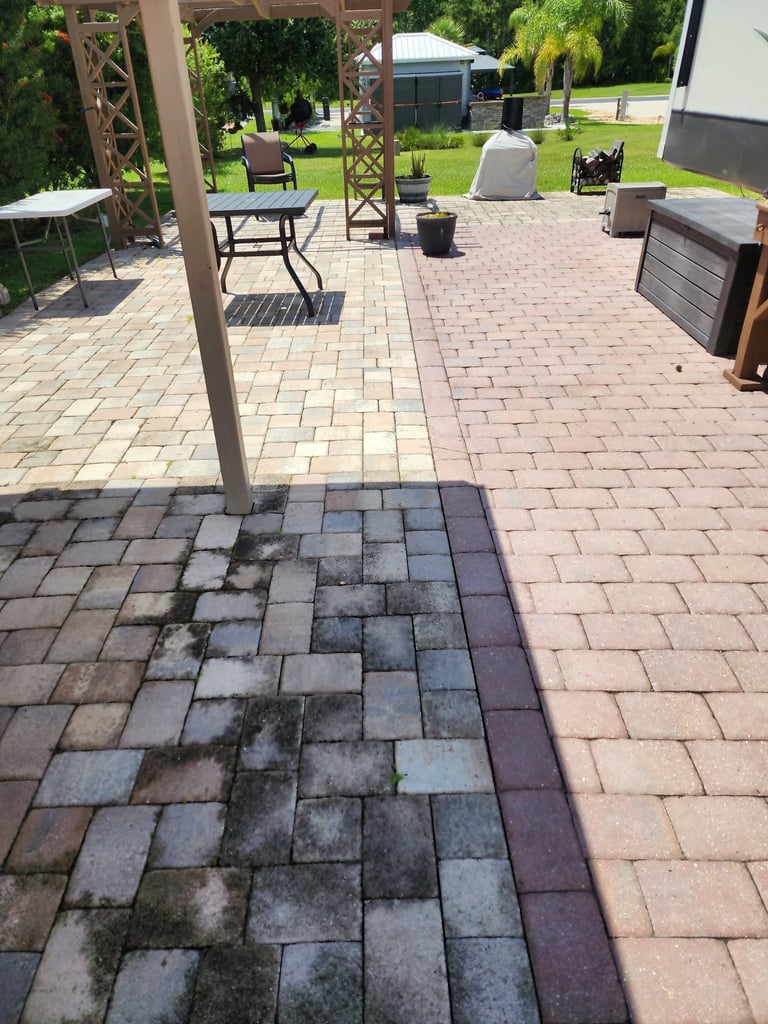
Patio area with brick pavers showing a wet, moss-covered section transitioning to clean areas, with pergola, outdoor furniture, and green yard visible
Before

Driveway in Ocala

Joints were completely empty — weeds, ants, and sand washing onto the street with every rain. One summer of Florida storms had stripped the sand to nothing.

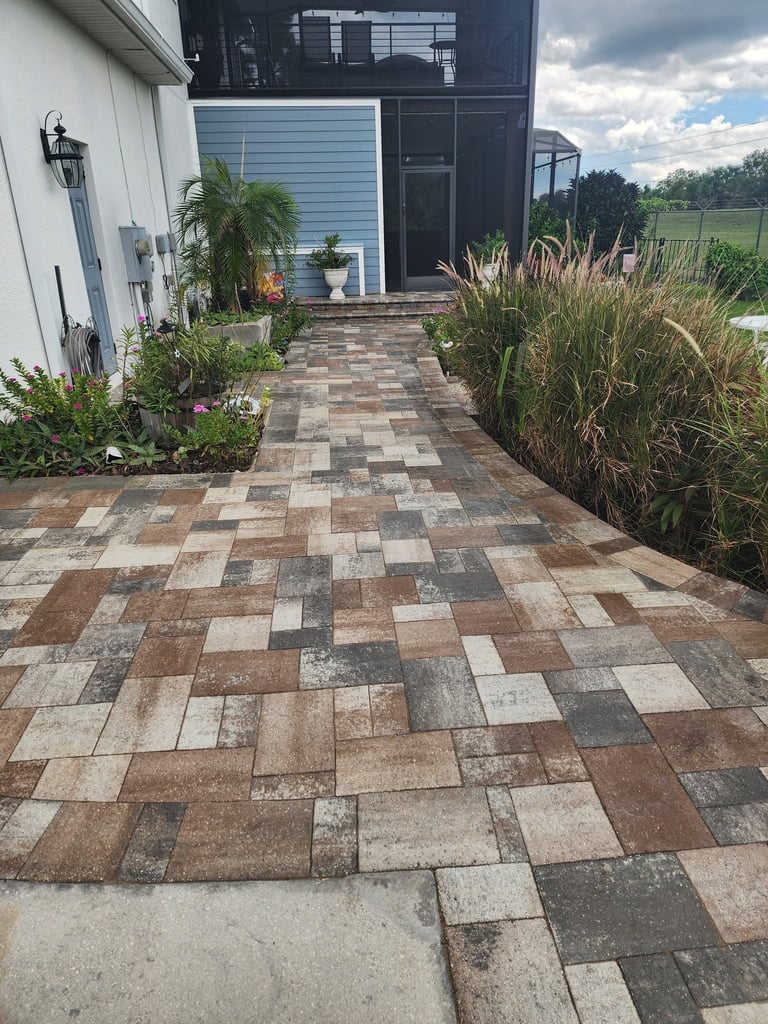
Patterned brick patio leading to a modern black and white home with landscaped plants and ornamental grasses on either side
After

Patio in Belleview

Same surface after cleaning, polymeric sand fill and sealing. Joints are solid, weeds are gone, and the pavers lock together as one continuous surface.

"My driveway joints were full of weeds and the sand was washing down to the street every time it rained. S&S came out, blew out all the old sand, refilled the joints with polymeric sand, and sealed it. That was two years ago. Still looks like new — not a weed in sight."

— Homeowner in Silver Springs Shores, FL

FAQ

Paver Sanding Questions

Get answers to common questions about paver joint sanding and re-sanding.

Ready To Get Your Paver Joints Fixed Right?

Free quote, honest assessment, no pressure. We'll tell you exactly what your pavers need and what it will cost. Most jobs done in 1 to 3 days.

Fully Insured
Marion County, FL
Fast Turnaround